How to read a Yu-Gi-Oh card: the set code, the edition and the passcode
Vishwen Labs
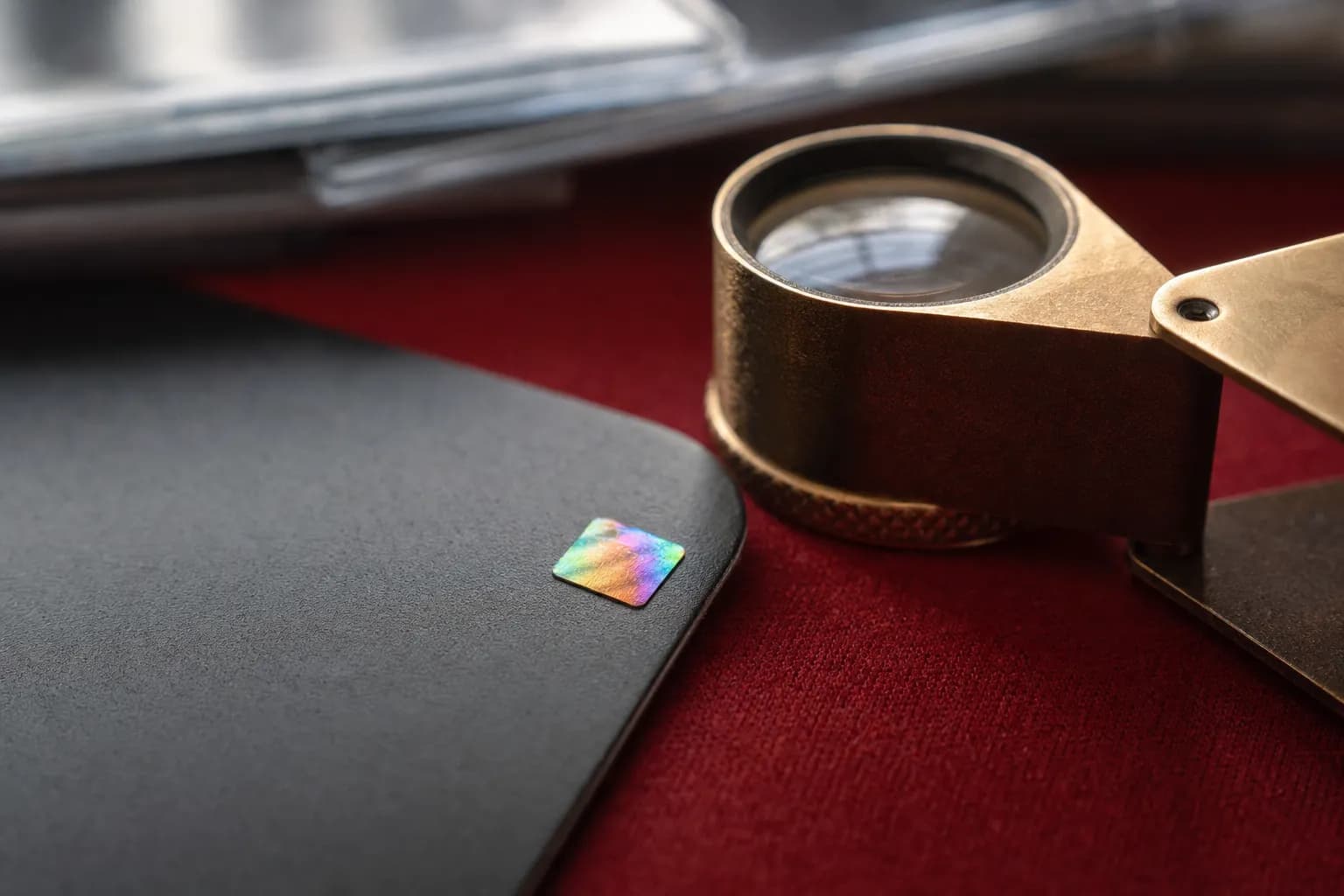
Everything that identifies a Yu-Gi-Oh print is on the card's face. The set code under the right side of the artwork, such as LOB-EN001, names the set, the region and the card's position in the set. The edition text, 1st Edition or Limited Edition, or nothing for Unlimited, sits under the left side of the artwork on older cards and beside the passcode on newer ones. The security foil in the bottom-right corner is gold on 1st and Limited Edition cards and silver on Unlimited. The eight-digit passcode at bottom left identifies the card name, not the print. Together they separate a $2 reprint from a four-figure original.
The set code
Konami's rulebook calls it the card number: “A card's identification number is found here. This number is useful for collecting, and for sorting your collection.” Yugipedia describes the format as AAAA-RR###: a two- to five-character set abbreviation (four on modern cards), a one- or two-letter region code, and a three-digit position. LOB is Legend of Blue Eyes White Dragon; EN is worldwide English; 001 is the first card in the set. The abbreviations grew from two characters in the game's second series to four from its fifth, and the region codes went from single letters to two from the fourth series. A rereleased set keeps its original abbreviation, so an anniversary reprint can carry the same code as the original and still be a different, separately priced product.
The region letters
EN is worldwide English, DE German, FR French, IT Italian, SP Spanish, PT Portuguese, JP Japanese, KR Korean, and there are older single-letter codes and special ones such as AE for Asian-English. Early North American English cards had no region code at all. The region matters for price: TCGplayer lists Japanese cards as their own product line, Cardmarket separates languages, and the app's recognition reads the language of the card and, for Japanese and Korean cards, resolves the print through the set code.
The edition, and the corner foil
Most retail sets are printed first as 1st Edition and again later as Unlimited, and Yugipedia's edition article says plainly that Unlimited prints “are typically worth less than their equivalent 1st Edition print of the same rarity.” The words 1st Edition appear under the left side of the artwork on cards from the third to the eighth series and to the right of the passcode from the ninth. Limited Edition marks promotional prints. Konami's own line, quoted by Yugipedia: “The security foil on First Edition (or first printing) and Limited Edition cards is gold, while the security foil on Unlimited Edition cards (when products are printed again) is silver.” Japanese OCG cards have silver foil throughout.
The passcode, and the rarity
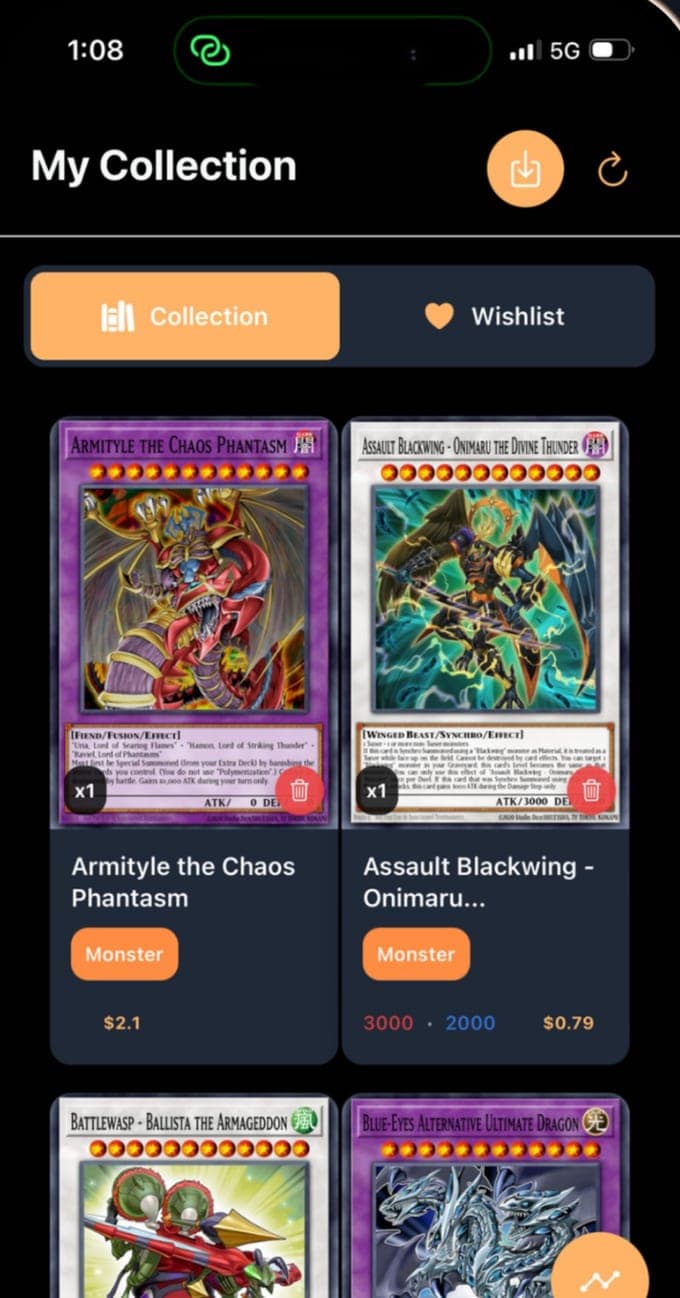
The eight-digit number at the bottom left is the passcode, unique to a card name rather than to a print, which is why the app's database keys cards by it and lists every set under one entry. The rarity is not written anywhere; it is the foiling, and the rarity guide reads it from the name, the artwork and the borders. The copyright line dates the print, and the small Speed Duel logo, where present, marks a Speed Duel card.
When the code is unreadable
Older cards wear at exactly the spot the code sits, and some promotional and early cards carry no code at all; Yugipedia keeps a list. The app then identifies the name and shows the set list for you to choose from, and the edition text, the foil colour, the copyright year and the art narrow it down. When two prints share a code, as the original and the 25th-anniversary Legend of Blue Eyes do, the anniversary print carries its own marks and is listed separately by the marketplaces.
Yu-Gi-Oh Card Scanner is an unofficial, fan-made app from Vishwen Labs. It is not authorized, licensed or endorsed by Konami, Studio Dice, SHUEISHA or TV TOKYO, and Yu-Gi-Oh! and all related names, marks and card artwork belong to their owners. Card data and prices come from the public sources named on these pages, and nothing here is advice to buy, sell or grade a card.
Questions people also ask
What does LOB-EN001 mean on a Yu-Gi-Oh card?
Set LOB, Legend of Blue Eyes White Dragon; region EN, worldwide English; card 001, the first in the set, which is Blue-Eyes White Dragon. The same card in German reads LOB-DE001, and the 25th-anniversary reprint shares the code but is a different, separately priced print.
How do I know if my Yu-Gi-Oh card is 1st Edition?
Look for the words 1st Edition under the left side of the artwork on older cards or beside the passcode on newer ones, and check the corner foil: gold on 1st and Limited Edition, silver on Unlimited, in Konami's own description. Japanese OCG cards are always silver.