Guides
Yu-Gi-Oh card guides
Every guide answers one question people type about their Yu-Gi-Oh cards, with the rules quoted from Konami's rulebook and list, the definitions from TCGplayer and the data service, and every price and fee dated, since they move. No sign-up, no email wall.
Value
What a card is worth, what the three marketplaces' numbers mean, and whether grading pays
Where prices come from and what moves them, TCGplayer against Cardmarket against eBay in two currencies, and PSA's scale and 2026 fees put into a sum.
 How much are my Yu-Gi-Oh cards worth, and how do you check?A Yu-Gi-Oh card is worth what buyers recently paid for that print, rarity and condition. Why one name spans cents to thousands, and how to check.Read the guide →
 TCGplayer, Cardmarket and eBay prices for Yu-Gi-Oh cards: what each number meansTCGplayer's Market Price and Listed Median in its words, Cardmarket's Trend in euros, eBay's sold prices, and what the app's per-marketplace figures are.Read the guide →
 Is grading Yu-Gi-Oh cards worth it?PSA's Gem Mint 10 and Mint 9 standards, what grading cost in 2026 after PSA paused its Value tiers, and the sum that decides whether to send a card.Read the guide →
Identifying
The set code and edition, the rarities, and the fakes
Reading the code under the artwork and the corner foil, every rarity from Common to Quarter Century Secret Rare, and the checks that catch a counterfeit.
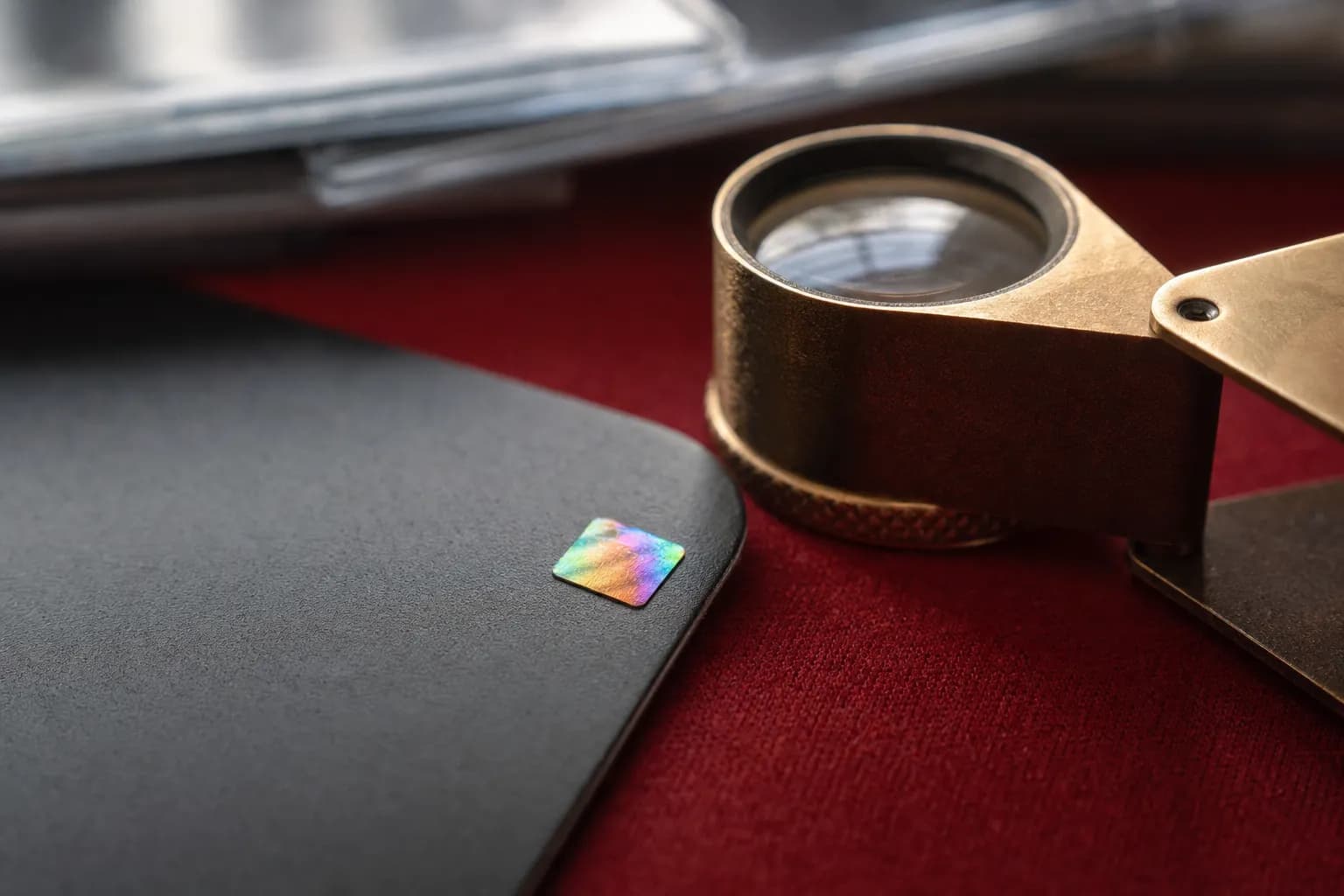 How to read a Yu-Gi-Oh card: the set code, the edition and the passcodeThe set code under the artwork (LOB-EN001), the region letters, the 1st Edition text and the gold or silver corner foil say which print you hold.Read the guide →
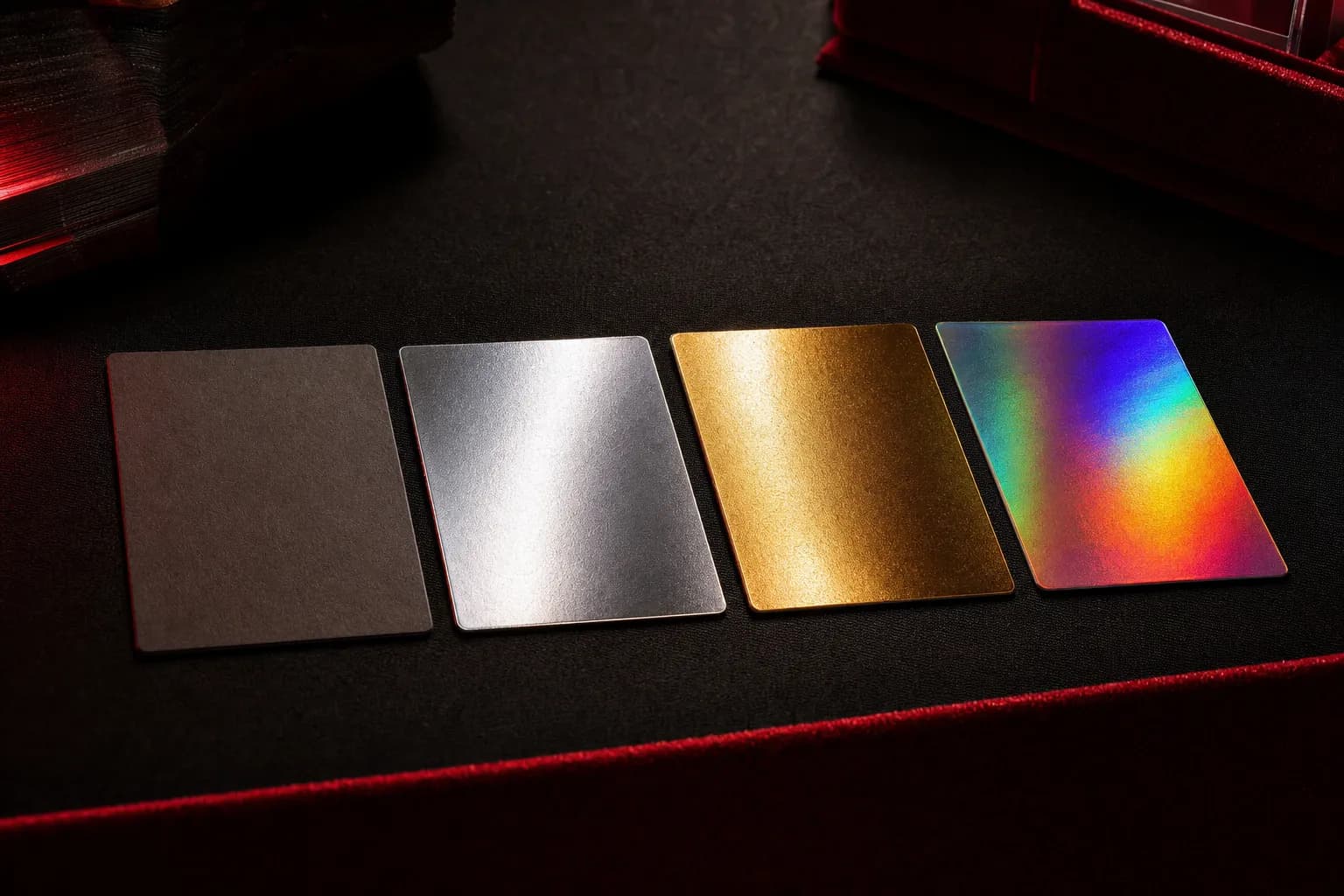 Yu-Gi-Oh card rarities explained, from Common to Quarter Century Secret RareRarity is the foiling: Common, Rare, Super, Ultra, Secret, Ultimate, Ghost, Gold, Starlight, Collector's and Quarter Century Secret Rare. How to read each.Read the guide →
 How to tell if a Yu-Gi-Oh card is fakeThe corner security foil, gold for 1st and Limited Edition, silver for Unlimited, the print, the font, the back, and the price that is too good.Read the guide →
The collection and the decks
Cataloguing a collection, judging condition, and building a legal deck
A step-by-step method from a shoebox to a valued list, TCGplayer's conditions with the Yu-Gi-Oh specifics, and the rulebook's deck sizes with the Forbidden & Limited List.
 How to catalog your Yu-Gi-Oh collectionSort by set code, scan or search each card, confirm the print and rarity, record condition and quantity, keep a wishlist, build decks, export.Read the guide →
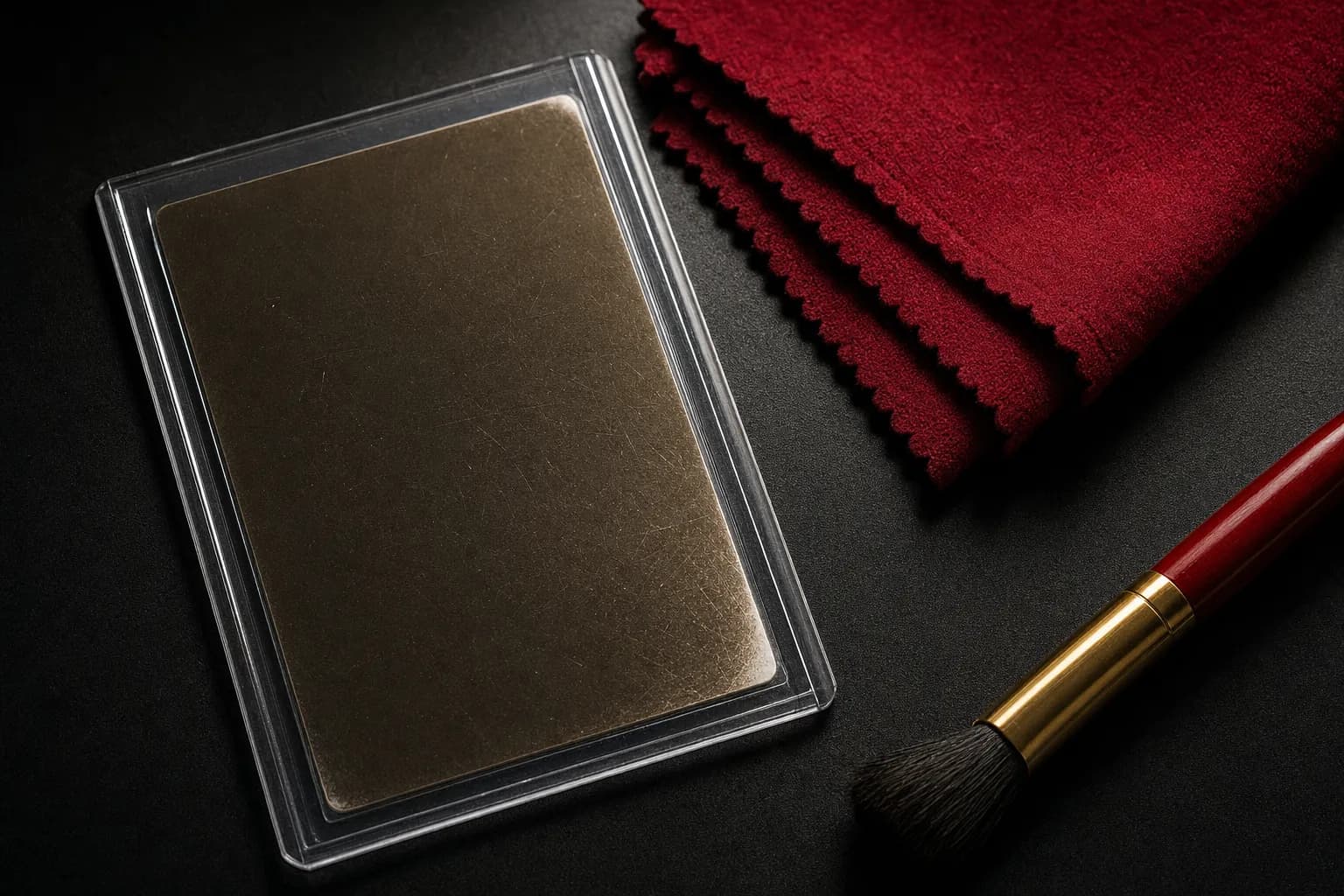 Yu-Gi-Oh card condition guide: Near Mint, Lightly Played, Moderately Played, Heavily Played, DamagedTCGplayer's five conditions in its own words, Cardmarket's seven, and the Yu-Gi-Oh specifics: gold-border flaking, the corner gem, foil scratches.Read the guide →
 How many cards go in a Yu-Gi-Oh deck, and what the Forbidden & Limited List doesThe rulebook's numbers: 40 to 60 main, up to 15 extra, up to 15 side, three copies across all three. What Forbidden, Limited and Semi-Limited mean.Read the guide →
Yu-Gi-Oh Card Scanner is free to start on the App Store: ten scans a month, three decks and one price per card, with unlimited scanning and every marketplace's prices in Premium.
Download on theApp Store