
Multiplication: Times Tables
Learning for kids · iOS 16.4 or later
Times tables practice as a snake game kids actually replay
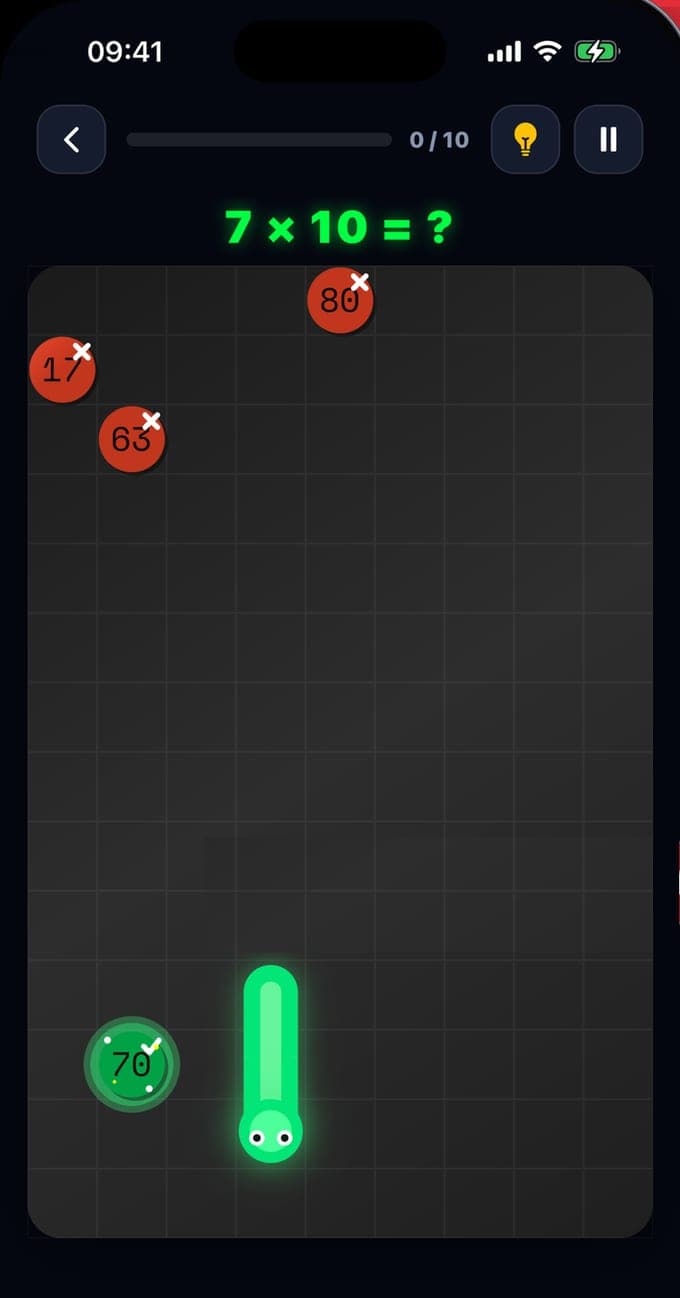
Multiplication: Times Tables turns times tables practice into a snake game. The fact sits above the grid, 7 × 10 say, four bubbles carry one right answer and three near misses such as 63 and 80, and the snake has to eat the right one. Every table from 1 to 20 has twelve facts, a timed test with a best time and a creature that hatches as the table is played; levels mix the tables up to their number. A daily goal, a streak and a review queue that brings a missed question back after ten minutes and again the next day keep the practice going. No ads, no account, and it works offline.
- Tables 1 to 20, twelve facts each, and 20 levels that mix them
- A creature for every table that hatches and grows as its facts are learned
- Free: tables 1 and 2 and levels 1 and 2. No ads, works offline
Play
Eat the right answer, not the near miss
Each round asks one fact at a time. The snake moves on its own, 800 milliseconds a step to begin with and 30 milliseconds quicker after every answer eaten, down to a floor of 200, so a table the child knows becomes a fast game and one they are learning stays slow. The wrong bubbles are deliberate near misses: the neighbouring products, and the right answer plus or minus one of its factors. That is the confusion between 56 and 63 that a quiz offering 12 and 90 as the other options never tests. In easy mode a hint appears after ten seconds; there is a pause button, and a turbo boost for children who want the speed.
Learn
Mastery you can see: best times, stars and twenty creatures
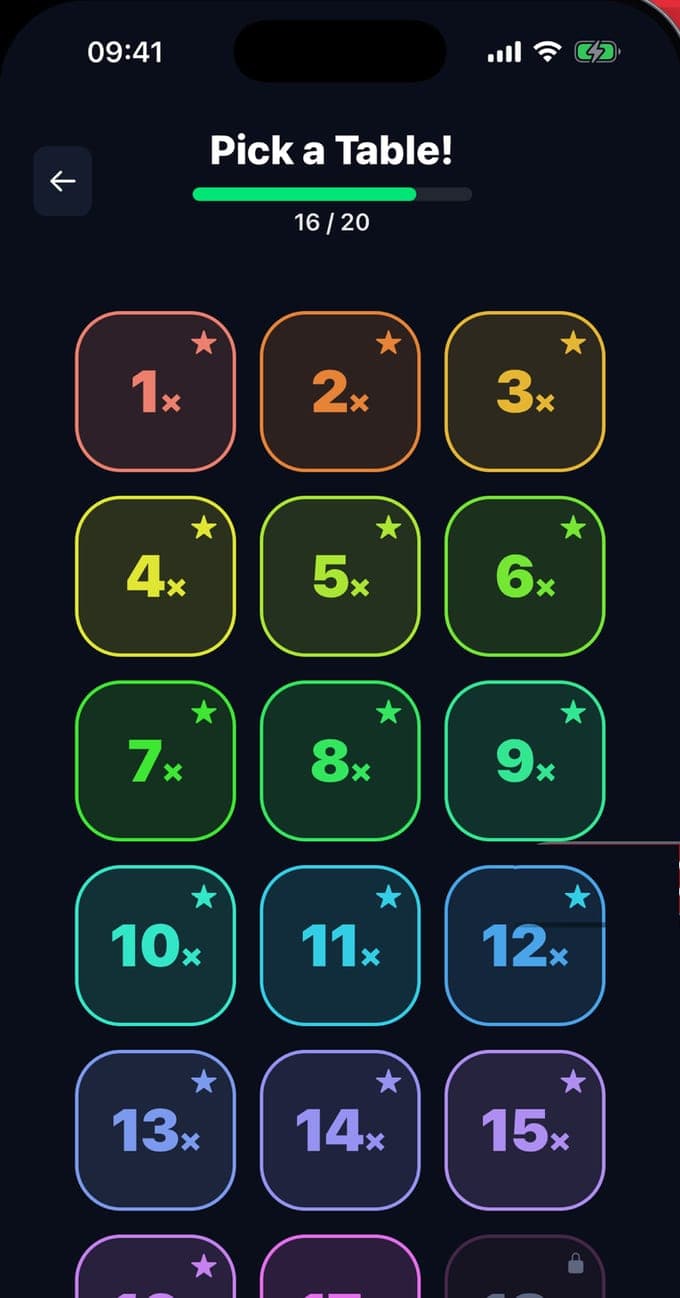
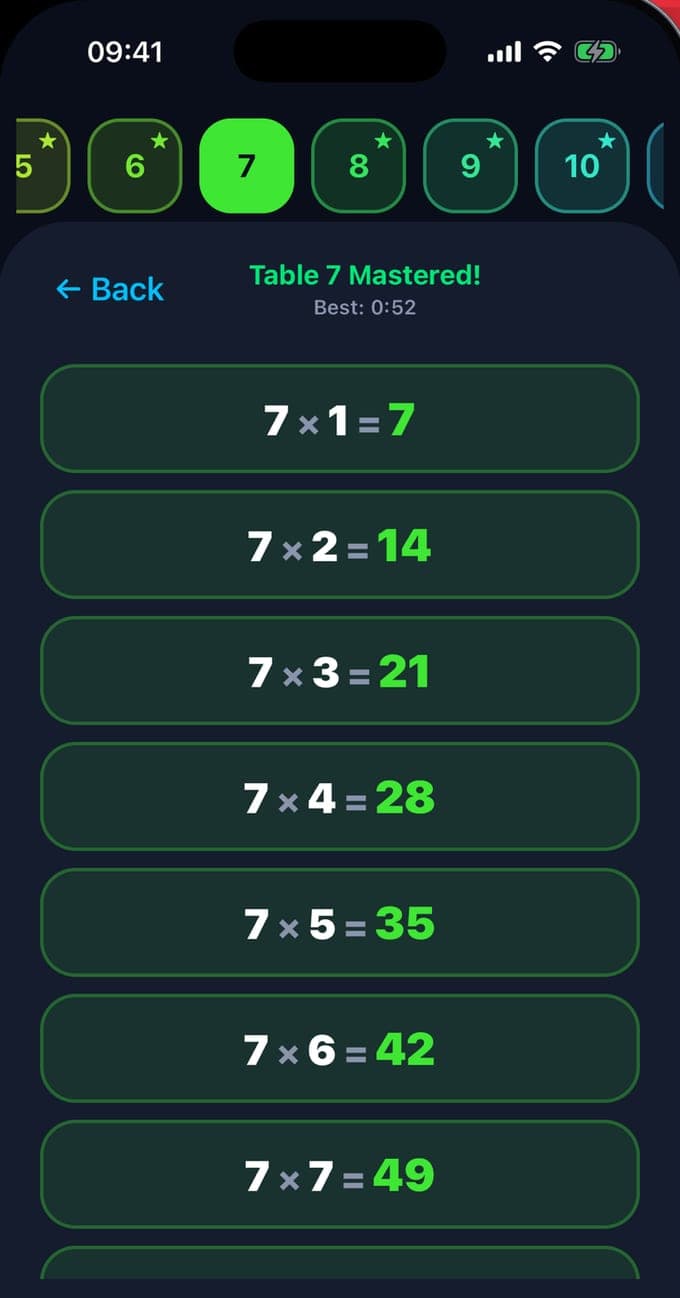
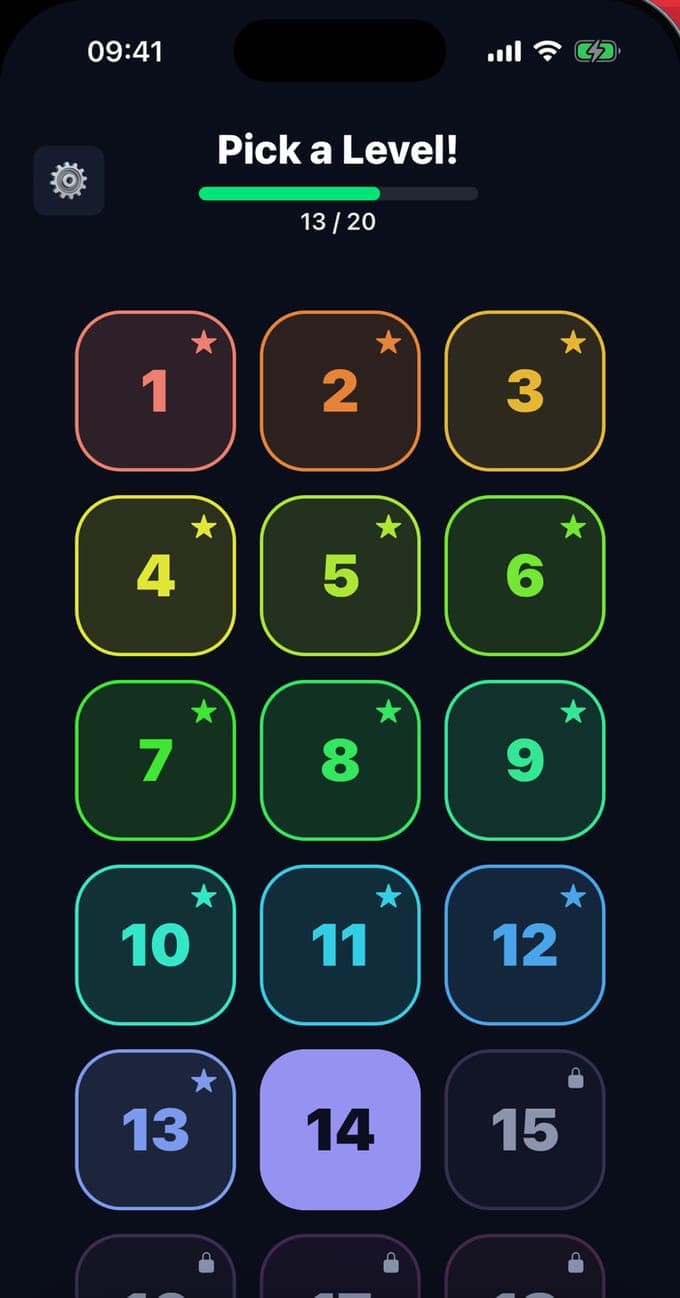
A table's page lists its twelve facts and holds a timed test; finishing the test masters the table, keeps the best time, and opens the next table. Each table also has a creature, Mango for the 1s, Nova for the 2s, Coco for the 3s and so on to the twentieth. Its egg cracks a little with every right answer on that table and hatches at the tenth, whatever the misses in between. From there the creature grows only with real knowledge: a fact counts as learned after three right answers in a row, the creature reaches its second form when half the table is learned and its final form when all twelve facts are, and it never shrinks again, however bad a day is.
Review
Missed questions come back until they stick
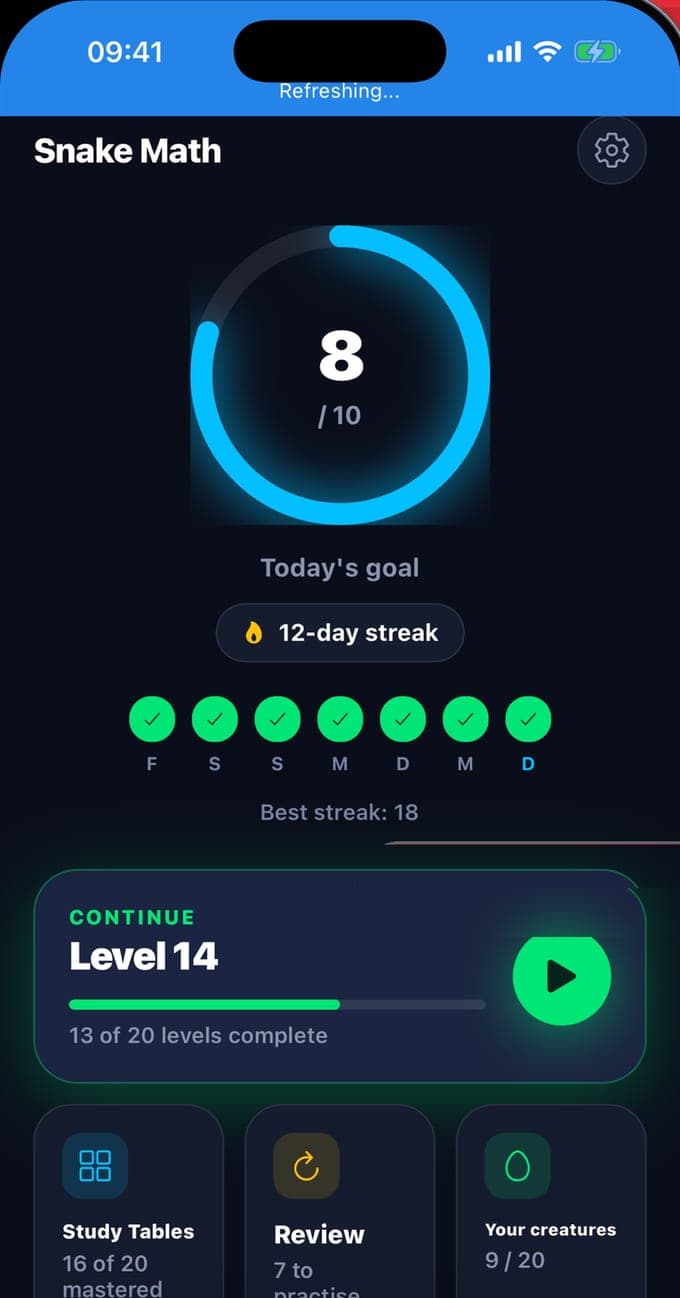
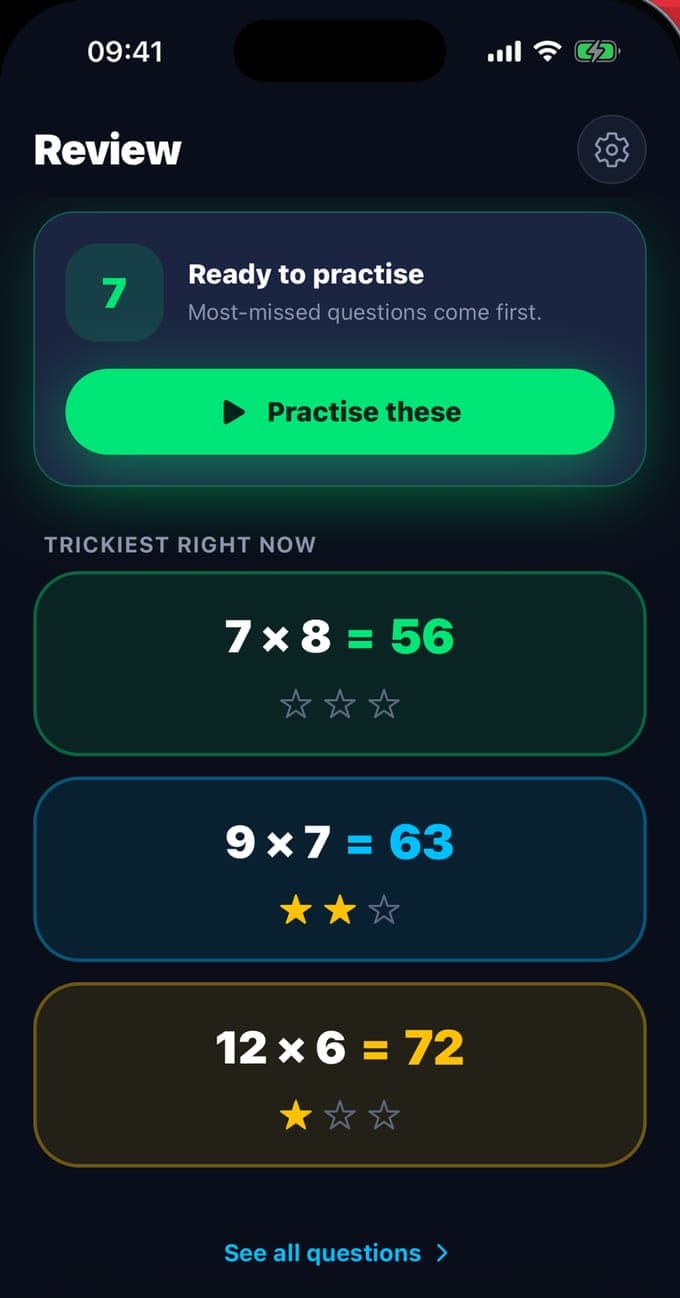
A wrong answer goes into a review queue. The Review tab shows what is ready to practise, most-missed first, in sessions of up to ten questions; a question returns ten minutes after a correct answer, a day after the next, and is retired after three in a row, each shown as a star. Up to a hundred facts are tracked at once. Around the queue sit the habits: a daily goal of 5, 10 or 15 questions, a streak with a tick for each day of the week, a reminder at 6 pm by default, and levels 1 to 20 that each mix the tables up to their number. Settings and purchases sit behind a parental gate that asks for an adult's year of birth.
How it works
Install to a mastered table.
01
Pick a table or a level
Download Multiplication: Times Tables on an iPhone or iPad running iOS 16.4 or later. Tables 1 and 2 and levels 1 and 2 are open from the start; the 3 times table opens when the 2s are mastered, and so on up to 20 with Premium. A level mixes the tables up to its number, so level 5 asks the 1s to the 5s together.
02
Steer the snake to the right answer
The fact sits above the grid and four bubbles appear, one right and three near misses. Eating the right one asks the next fact and speeds the snake up a little; a wrong one sends the fact to the review queue. In easy mode a hint appears after ten seconds. Ten questions a day is the default goal, and the home screen shows the ring filling.
03
Keep the streak, hatch the creatures
The Review tab brings back what was missed, most-missed first, until each fact has three right answers in a row. Each table's creature hatches after ten right answers and grows as the table is learned, the table's test records a best time, and the streak counts every day the goal is met, with a reminder in the evening if it is not.
Guides
Times tables, taught properly.
Nine guides on what parents search for about times tables: how to learn them fast, what order to learn them in, tricks for the 6s, 7s, 8s and 9s, how many facts there really are, spaced repetition, games against flashcards, a daily routine at home, the Year 4 multiplication tables check, and which tables are expected in which grade in the US, the UK, Australia and Germany.
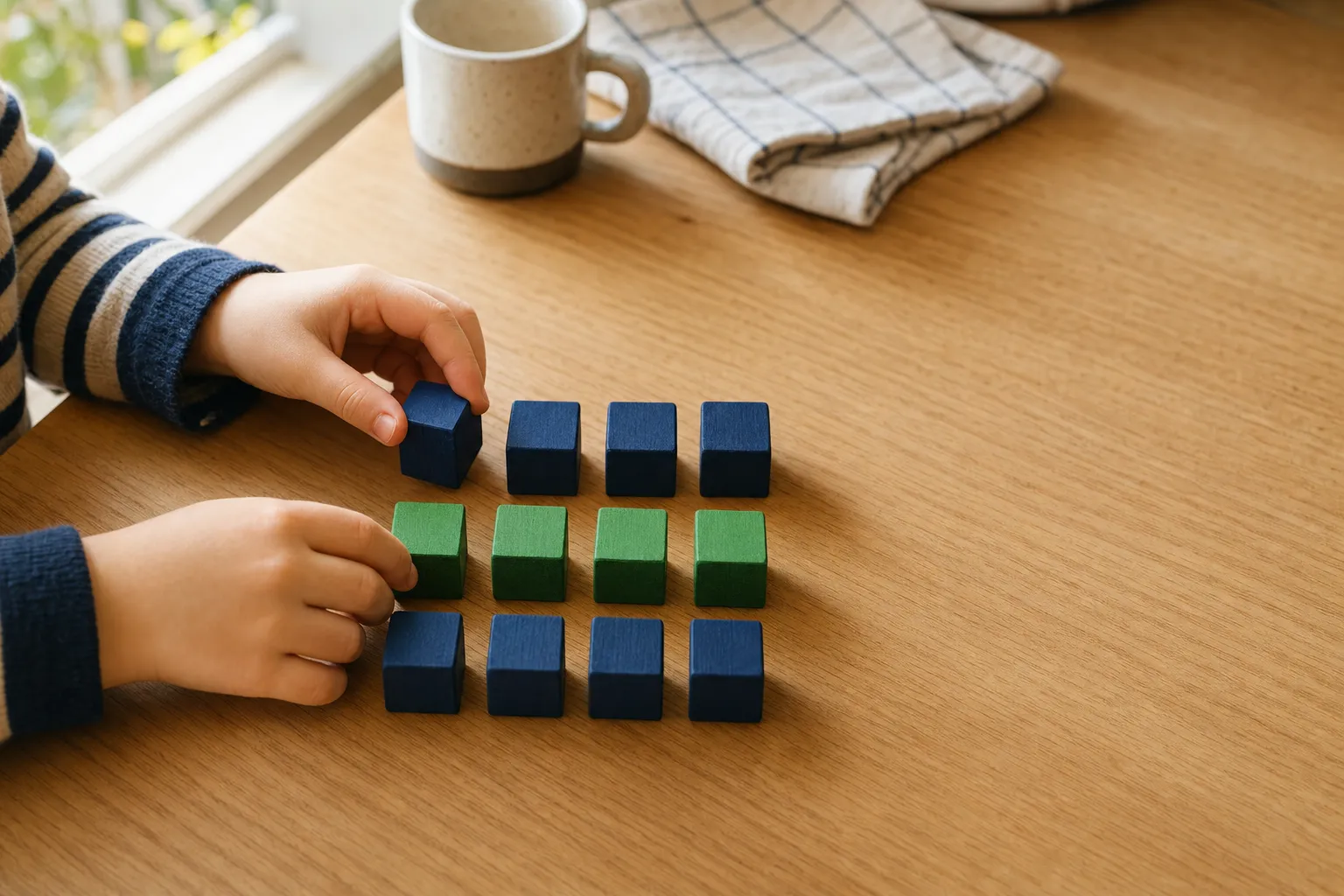 How to learn times tables fastLearn times tables fast by shrinking 144 facts to the 28 that need work, practising recall rather than rereading, and bringing misses back the same day.Read the guide →
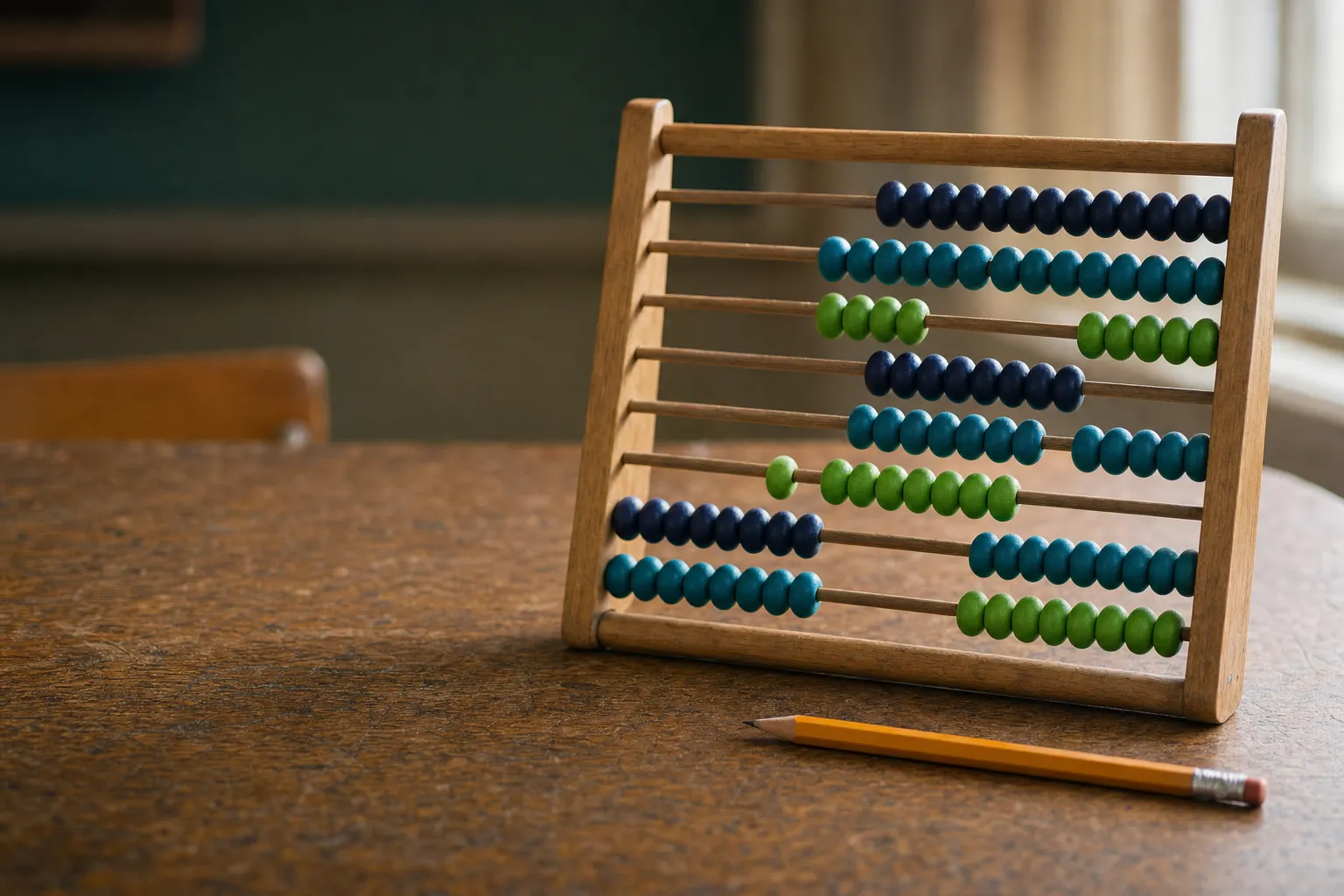 What order should a child learn times tables in?Learn times tables in this order: 10, 2, 5, then 4, 3, 11, 6, 9, 8, 7 and 12. Each table leans on one already known; the 7s come last with only 7 × 7 new.Read the guide →
 The Year 4 multiplication tables check, and how to practise for itThe Year 4 multiplication tables check: 25 questions from the 2 to 12 tables, 6 seconds each, 1 to 12 June 2026, no pass mark. How to practise for it.Read the guide →
 Tricks for the 6, 7, 8 and 9 times tablesThe 9s on your fingers and the digit check, the 8s as doubled 4s, the 6s as doubled 3s or a five and one more, and the 7s with only 7 × 7 left to learn.Read the guide →
 Times tables games vs flashcardsFlashcards give pure recall and a visible pile of misses; a game gives repetitions a child does unasked. What each does well, and a week that uses both.Read the guide →
 How many times tables facts are there?Tables 1 to 12 hold 144 facts, 78 once 3 × 7 and 7 × 3 count as one, and 28 that need real memory. The counts to 10 × 10 and 20 × 20 too.Read the guide →
 Spaced repetition for times tablesSpaced repetition brings a missed fact back after minutes, then a day, then longer, and retires what a child keeps getting right. With cards or an app.Read the guide →
 How to practice times tables at home every dayA ten-minute daily routine for times tables at home: one table at a time, recall not rereading, misses back the same day, a small goal and a streak.Read the guide →
 Times tables by grade in the US, the UK, Australia and GermanyWhich times tables each year expects: Common Core Grade 3 to 9 × 9, England Years 2 to 4 up to 12 × 12, Australia Years 3 and 4, Germany Klasse 2 and 3.Read the guide →
Questions
Common questions.
How does a snake game teach times tables?
By making the child produce the answer, not recognise it. The fact sits above the grid and the snake has to eat the bubble with the right product while three near misses, such as 63 and 80 for 7 × 10, sit on the same grid. A wrong bubble sends the fact to the review queue, and the snake speeds up as answers land, so a table that is known plays fast and one that is being learned plays slow. The games-against-flashcards guide explains what a game has to do to count as practice.
Learn more →Which times tables does the app cover?
Every table from 1 to 20, each with twelve facts, from 1 × 1 to 20 × 12, which is 240 questions in all. Tables open in order, the next when the one before is mastered, and the twenty levels mix the tables up to their number. School curricula stop at 10 × 10 or 12 × 12; the tables past 12 are there for children who want them.
Learn more →Is Multiplication: Times Tables free?
Free to download and play tables 1 and 2 and levels 1 and 2, with their two creatures, the daily goal, the streak, the reminders and the review queue for whatever has been played. Premium unlocks all 20 tables, 20 levels and 20 creatures: a one-time lifetime purchase of $14.99 on the US App Store, or a weekly or monthly plan at the price shown in the app. There is no free trial.
What age is Multiplication: Times Tables for?
Children learning or consolidating their times tables, which in most school systems means ages six to eleven. The App Store lists it in the 9 to 11 age band and the listing describes it for elementary school children aged 6 to 10. The 1s and 2s suit a child who has just met multiplication; the 13 to 20 tables suit one who has finished the school set and wants more.
Learn more →Does the app have ads, or need an account?
No ads, no account and no sign-in; progress is stored on the device and the app works offline. Settings and purchases sit behind a parental gate that asks for an adult's year of birth. The app carries no analytics or advertising software.
How does the app decide a table is mastered?
A table is mastered by finishing its timed test, which asks the table's twelve facts and keeps the best time. Underneath, each fact is tracked on its own: it counts as learned after three right answers in a row, a wrong answer resets that count, and the table's creature grows only as facts are learned. Mastering a table opens the next one.
Learn more →What are the creatures?
Twenty of them, one per table: Mango for the 1s, Nova for the 2s, Coco for the 3s, and so on. Each starts as an egg that cracks with every right answer on its table and hatches at the tenth. It grows to its second form when six of the table's twelve facts are learned and its final form when all twelve are, and it never shrinks, so a final-form creature means the whole table was known at some point.
Learn more →What happens when my child gets a question wrong?
The fact goes into the review queue. The Review tab lists what is ready to practise, most-missed first, in sessions of up to ten questions. A fact comes back ten minutes after a correct answer and a day after the next, and is retired after three right answers in a row, shown as three stars. The spaced-repetition guide explains why that schedule works.
Learn more →Can it help with the Year 4 multiplication tables check?
Yes, for the recall part, which is all the check tests: 25 questions on the tables up to 12 × 12, six seconds each. The app's tables are the same twelve facts each, its tests are timed, and its levels mix the tables so the questions arrive out of order as they do in the check. The guide on the check sets out the format and how to practise for six-second answers.
Learn more →Which languages does the app come in?
Fourteen on the App Store: English, German, French, Spanish, Italian, Dutch, Portuguese, Danish, Swedish, Norwegian, Polish, Japanese, Korean and Chinese. The app follows the device's language. These pages are in English and German.
Download
Multiplication: Times Tables, free to start
Tables 1 and 2 and levels 1 and 2 are free, with the daily goal, the streak, the review queue and two creatures. Premium unlocks all 20 tables, levels and creatures for a one-time $14.99, or a weekly or monthly plan at the price shown in the app. iPhone and iPad, iOS 16.4 or later.