Guides
Times tables guides
Every guide answers one question parents type about times tables, with the school requirements quoted from the curricula and the check's own framework, the arithmetic shown, and the app's rules stated as the code enforces them. No sign-up, no email wall.
Learning
How to learn the tables, in what order, and the tricks for the hard ones
Shrinking 144 facts to 28, an order where each table leans on the last, and the finger trick, the doubles and the leftovers for the 6s, 7s, 8s and 9s.
 How to learn times tables fastLearn times tables fast by shrinking 144 facts to the 28 that need work, practising recall rather than rereading, and bringing misses back the same day.Read the guide →
 What order should a child learn times tables in?Learn times tables in this order: 10, 2, 5, then 4, 3, 11, 6, 9, 8, 7 and 12. Each table leans on one already known; the 7s come last with only 7 × 7 new.Read the guide →
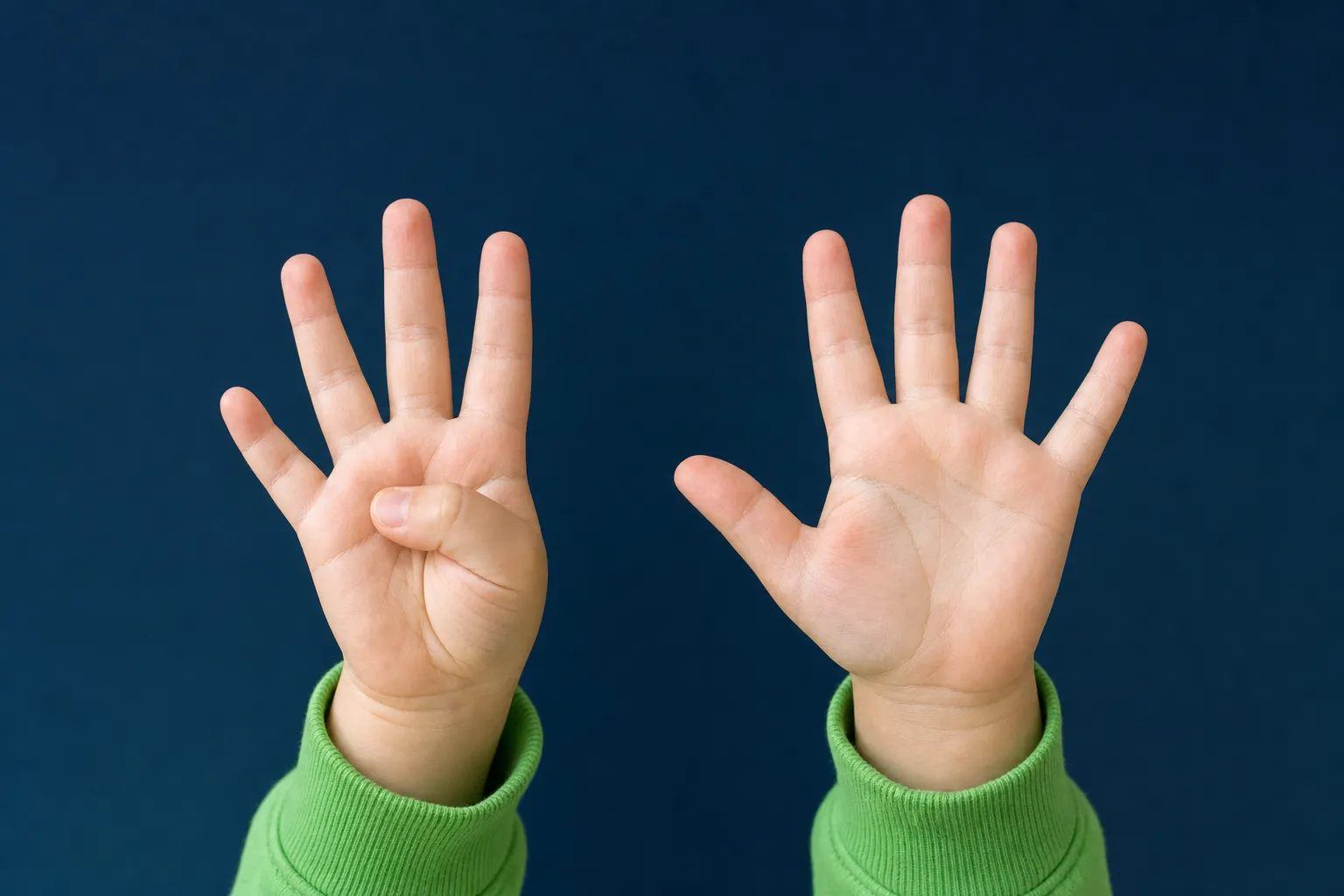 Tricks for the 6, 7, 8 and 9 times tablesThe 9s on your fingers and the digit check, the 8s as doubled 4s, the 6s as doubled 3s or a five and one more, and the 7s with only 7 × 7 left to learn.Read the guide →
Practice
A daily routine, spaced repetition, and games against flashcards
A ten-minute routine as steps, why a missed fact should come back after minutes and then a day, and what a game has to do to count as practice.
 How to practice times tables at home every dayA ten-minute daily routine for times tables at home: one table at a time, recall not rereading, misses back the same day, a small goal and a streak.Read the guide →
 Spaced repetition for times tablesSpaced repetition brings a missed fact back after minutes, then a day, then longer, and retires what a child keeps getting right. With cards or an app.Read the guide →
 Times tables games vs flashcardsFlashcards give pure recall and a visible pile of misses; a game gives repetitions a child does unasked. What each does well, and a week that uses both.Read the guide →
School
The Year 4 check, the tables by grade, and how many facts there are
The multiplication tables check as its framework describes it, what England, the United States, Australia and Germany expect in each year, and the count that makes the job look small.
 The Year 4 multiplication tables check, and how to practise for itThe Year 4 multiplication tables check: 25 questions from the 2 to 12 tables, 6 seconds each, 1 to 12 June 2026, no pass mark. How to practise for it.Read the guide →
 Times tables by grade in the US, the UK, Australia and GermanyWhich times tables each year expects: Common Core Grade 3 to 9 × 9, England Years 2 to 4 up to 12 × 12, Australia Years 3 and 4, Germany Klasse 2 and 3.Read the guide →
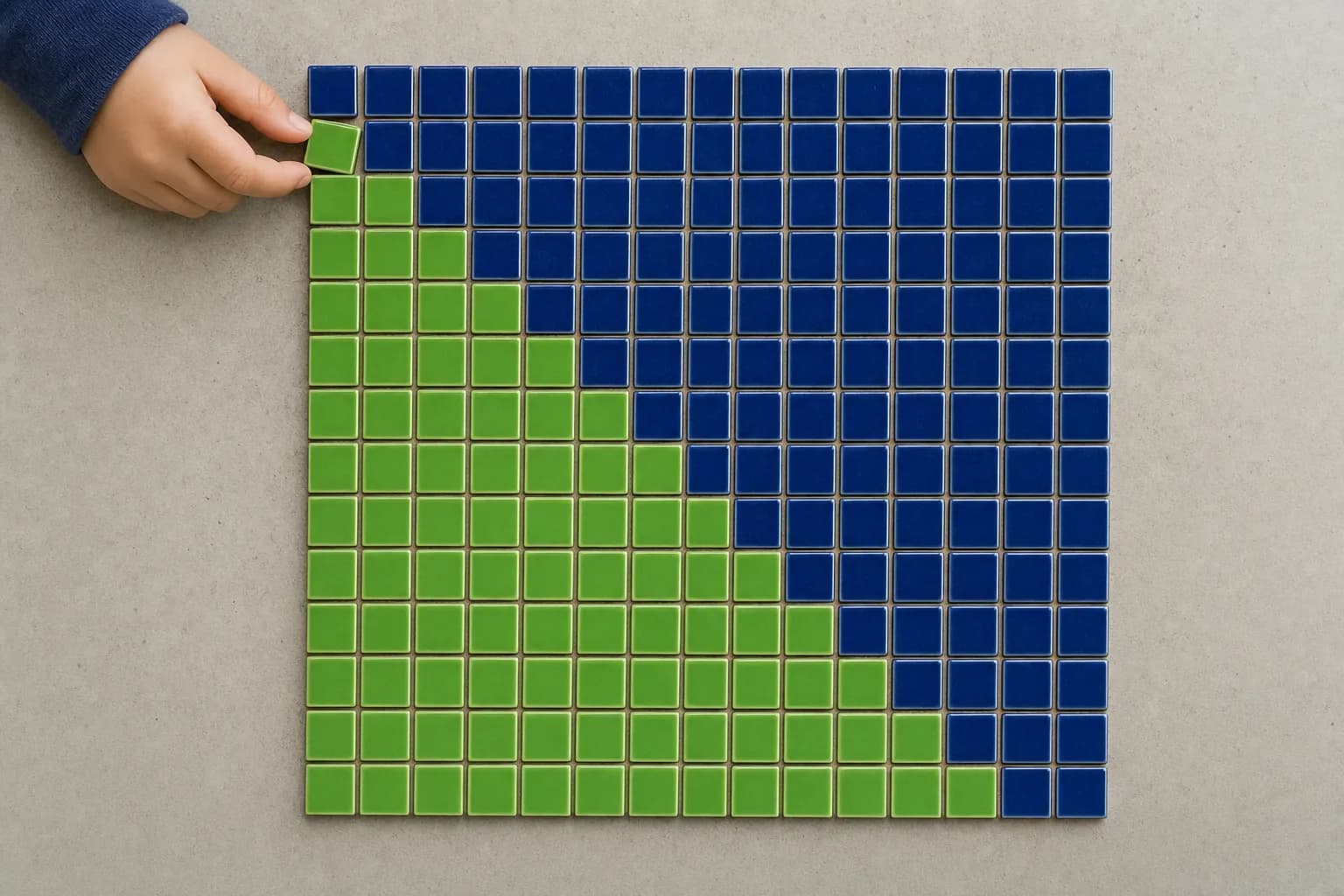 How many times tables facts are there?Tables 1 to 12 hold 144 facts, 78 once 3 × 7 and 7 × 3 count as one, and 28 that need real memory. The counts to 10 × 10 and 20 × 20 too.Read the guide →
Multiplication: Times Tables is free to start on the App Store: tables 1 and 2 and levels 1 and 2, with all 20 tables, levels and creatures in Premium for a one-time $14.99 or a weekly or monthly plan.
Download on theApp Store