Yu-Gi-Oh card rarities explained, from Common to Quarter Century Secret Rare
Vishwen Labs
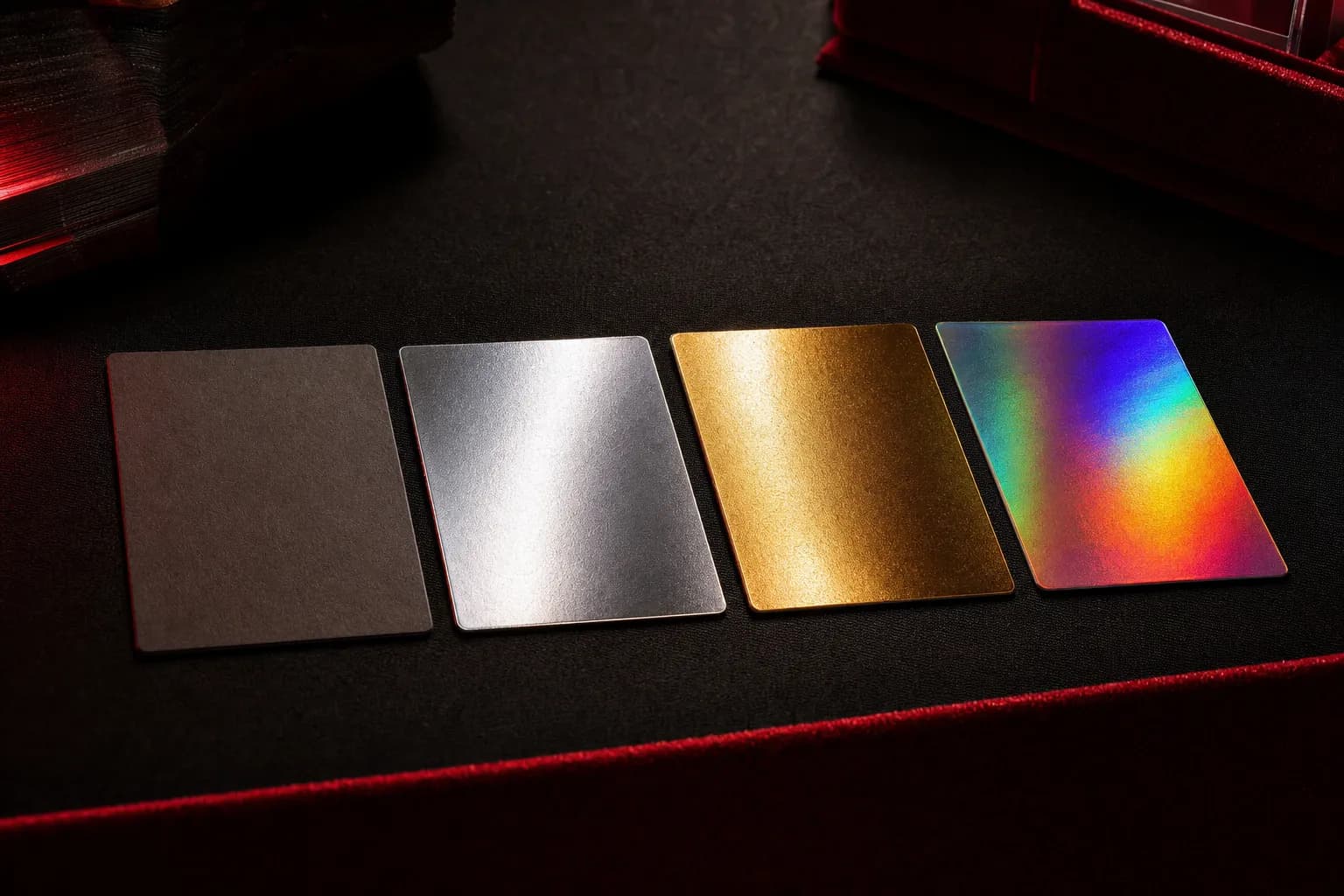
A Yu-Gi-Oh card's rarity is its foiling, and nothing else. Yugipedia puts it in one sentence: “A card's rarity is strictly only determined by its foiling, not its distribution.” A Common has plain black text and a flat picture. A Rare has silver foil letters. A Super Rare has a foil picture. An Ultra Rare has gold foil letters and a foil picture. A Secret Rare has rainbow letters over a patterned foil. Above those sit the premium treatments: Ultimate, Ghost, Gold, Platinum, Prismatic Secret, Starlight, Collector's and, since the game's 25th anniversary, Quarter Century Secret Rare. The same card can exist in several of them, each priced apart.
The five base rarities
From Yugipedia's rarity table. Common: no foil anywhere. Rare: “silver holofoil letters or black-foil letters” in the name, nothing else. Super Rare: a “holofoil background” on the artwork with a plain name. Ultra Rare: “gold holofoil letters” and a holofoil artwork. Secret Rare: “rainbow holographic letters” over a “parallel holofoil background,” the dotted or lined pattern that flashes when the card tilts. These five carry most of the game's cards; the letter codes in set lists are C, R, SR, UR and ScR.
The premium treatments
Ultimate Rare embosses the artwork and the borders in gold holofoil, so the card has texture. Ghost Rare uses silver holographic letters over a washed-out, ghostly artwork. Gold Rare adds gold holofoil borders around the artwork and text box. Platinum Rare is the silver equivalent from the Noble Knights era. Prismatic Secret Rare replaces the rainbow lettering with silver and a prism foil. Starlight Rare, from 2019, covers the whole card in a starry holographic sheen and is pulled about once a case. Collector's Rare has a textured, rainbow-tinted surface across the entire card. Quarter Century Secret Rare, introduced for the 25th anniversary in 2023, is a Secret Rare with a 25th-anniversary hologram, and has become the chase rarity of current sets. Set lists abbreviate them UtR, GR, PlR, PScR, StR, CR and QCSE, with variations.
Reading the rarity off a card
Tilt it under a light. Is the name foil, and if so silver, gold or rainbow? Is the artwork foil, and is the foil flat, patterned, prismatic or textured? Are the borders foil? Name-only foil is Rare; art-only foil is Super; gold name and foil art is Ultra; rainbow name over patterned art is Secret; anything embossed is Ultimate; anything with foil across the whole surface is one of the parallel or premium rarities. The set code helps, because the marketplaces and the app list which rarities a set actually printed for that card.
Rarity, distribution and price
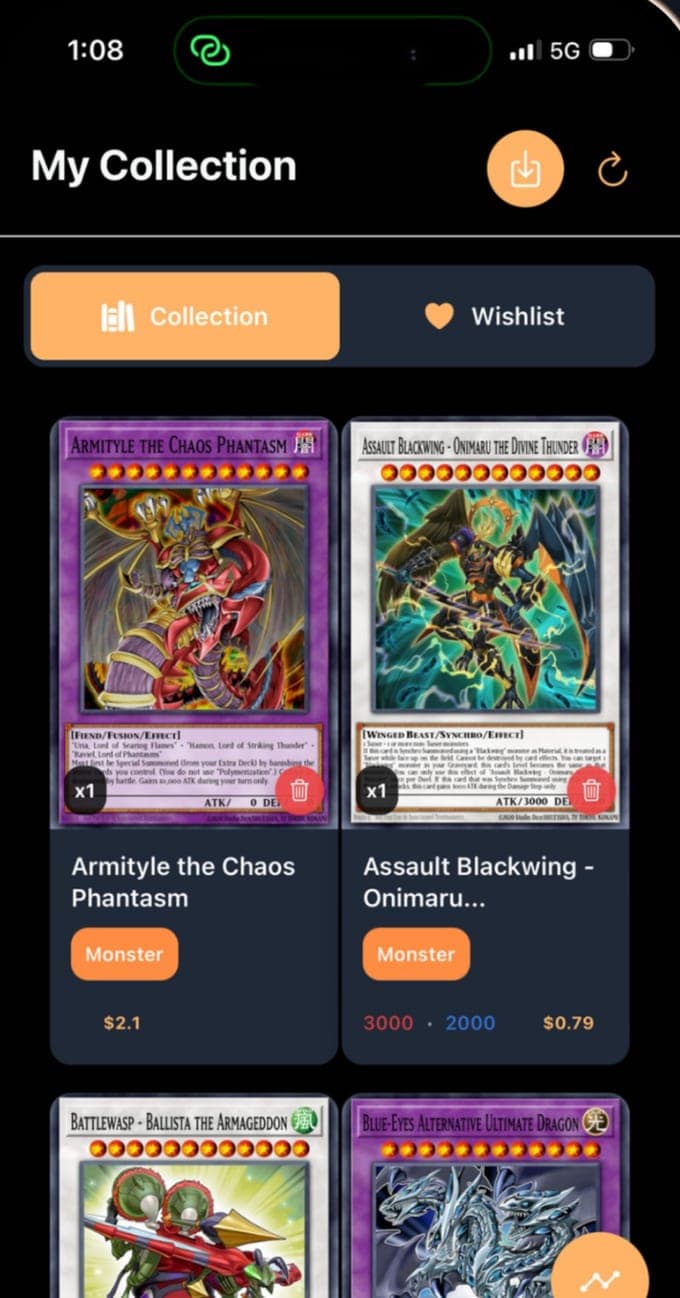
Rarity is the foiling; scarcity is how the product distributes it, and the two only roughly track. Booster packs use fixed slots, and higher rarities fill fewer of them, so a Secret Rare is scarcer than a Super Rare from the same set. But a structure deck's Ultra Rare is not scarce at all, and a Common from a 2002 set in 1st Edition can be scarcer than a modern Secret. Price follows demand for a specific print at its scarcity. TCGplayer and Cardmarket price each rarity of each set separately, and so does the app's per-set price list.
Rarities that changed names
Secret Rares were called Hyper Rares in some regions' early sets; Parallel Rares, Duel Terminal rarities, Millennium Rares and Mosaic, Starfoil and Shatterfoil Rares belong to particular products and eras. Yugipedia's rarity pages carry example images for each. If the marketplaces list a rarity you do not recognise for your set, that page is the fastest way to compare foils.
Yu-Gi-Oh Card Scanner is an unofficial, fan-made app from Vishwen Labs. It is not authorized, licensed or endorsed by Konami, Studio Dice, SHUEISHA or TV TOKYO, and Yu-Gi-Oh! and all related names, marks and card artwork belong to their owners. Card data and prices come from the public sources named on these pages, and nothing here is advice to buy, sell or grade a card.
Questions people also ask
What is the rarest Yu-Gi-Oh card rarity?
By pull rate, Starlight Rare and Quarter Century Secret Rare are the scarcest treatments in current sets, with Ghost Rare and Collector's Rare close behind in their eras. Rarest treatment is not the same as most valuable: a 1st Edition Ultra Rare from 2002 can outsell any of them.
How can I tell an Ultra Rare from a Super Rare?
Both have a foil artwork. An Ultra Rare also has gold foil letters in the name; a Super Rare's name is plain black. A Secret Rare's name is rainbow foil over a patterned artwork foil.